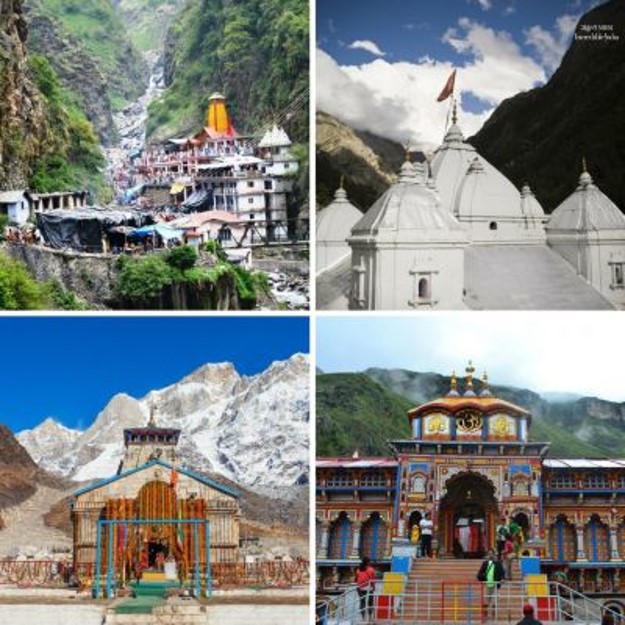
In the 8th Century AD, Shri Guru Adi Shankaracharya started the Char Dham Temples Yatra for Hindus. The Yatra involves visiting the four pilgrimage sites in the four different corners of India- Badrinath (Uttarakhand in North), Rameswaram (Tamil Nadu in South), Puri (Odisha in East), and Dwarka (Gujarat in West). But these shouldn’t be confused with the Chhota Char Dham Yatra of Uttarakhand. The Chhota Char Dham Yatra involves visiting the 4 sacred destinations situated in Uttarakhand– Yamunotri,Gangotri, Kedarnath and Badrinath.
The holy shrine of Gangotri Temple opens on the auspicious day of Akshay Tritiya every year. This year is 20 April 2026
The holy shrine of Gangotri Temple opens on the auspicious day of Akshay Tritiya every year. 20 April 2026.
The date of opening of the temple will be opened for the devotees to visit from April 23, 2026
The date of opening of the temple will be opened for the devotees to visit from April 25, 2026

According to Hindu texts and tradition, one must undertake a pilgrimage or Teerth Yatra once in his life. It is considered as one of the five duties of a human being to be completed in his lifetime. It is widely believed that a visit to the sacred Char Dham Temples of Uttarakhand leads to attainment of ‘Moksha’ or liberation. Every human being should consider visiting these four holy places at least once in their lifetime. Considered as the most sacred religious places to be visited by Hindus to get rid of their sins and pave path to ultimate goal of human life – the Moksha, a huge number of devotees flock to these temples every year. There is no restriction on visiting the temples for Foreigners or for people from different religions. The local administration and the state government makes elaborate arrangements every year for welcoming the pilgrims.
What makes the yatra even more exciting is the spellbinding views of the Himalayas, mountain forests, meadows, waterfalls, rivers, valleys, and other lovely faces of nature that one comes across on the way. The journey takes you to the pious Adi Shankaracharya Samadhi, blissful Gaurikund, Kedarnath Gufa, Tapt Kund, Brahma Kapal, Neelkanth Peaks, Bhagirathi River, Vasuki Taal, Surya Kund, Divya Shila and many more sacred sites. The Chardham Darshan Yatra of Uttarakhand always commences from Yamunotri and then continues to Gangotri and Kedarnath before coming to an end in Badrinath.
The Char Dham Yatra opens on the day of Akha-Trij or Akha Teej (in May) and closes for winter on Bhai-Bij (2 days after Diwali). Every year, the government of Uttarakhand announces the dates for the opening and closing of the Chardham circuit, kicking off the process of booking a Chardham package. It is advisable to pre book your itinerary to avoid any last minute booking or accomodation issues. In the winter months, the deity at each of these shrines are moved to their winter abodes. Ukhimath for Kedarnath, Joshimath for Badrinath, Mukhba for Gangotri and Kharsali for Yamunotri. The doors of these winter abodes remain open through the year and can also be visited .
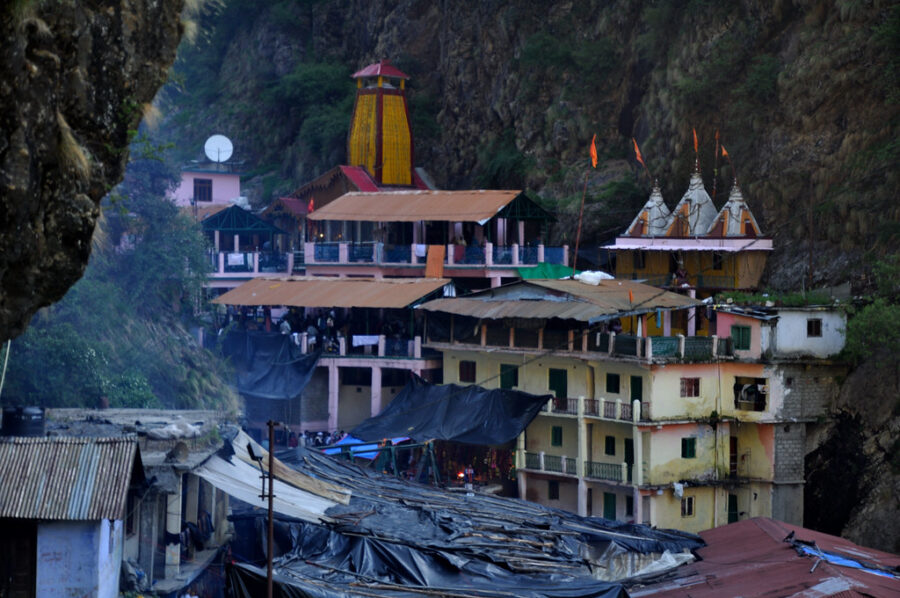
The first Dham to be visited is situated at Yamunotri where the sacred river the Yamuna originates. It is named after Goddess Yamuna, the twin sister of Yama (the God of death). A bath in the holy waters of the Yamuna river is said to cleanse one of all their sins and protect them from an untimely death.
At the Yamunotri Dham, the idol of godness Yamuna is present in the form of black marble idol and it is situated in the backdrop of the Yamuna river which just down from one sidee of the temple which makes for a breathtaking sight.
The next Dham is the birthplace of the River Ganga. Popular Hindu legends suggests that the River Ganga took birth here because Lord Shiva decided to release the mighty river from the locks of his hair. Dedicated to Goddess Ganga, the foundation of this temple was laid by Nepalese General Amar Singh Thapa. Gaumukh, the sacred spot of the Gangotri Glacier is where the mighty river begins its journey. This venue is located about 19 kilometres from Gangotri.
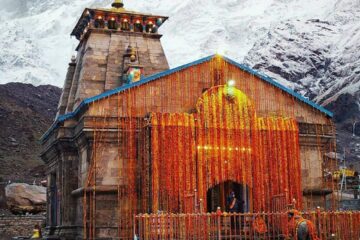
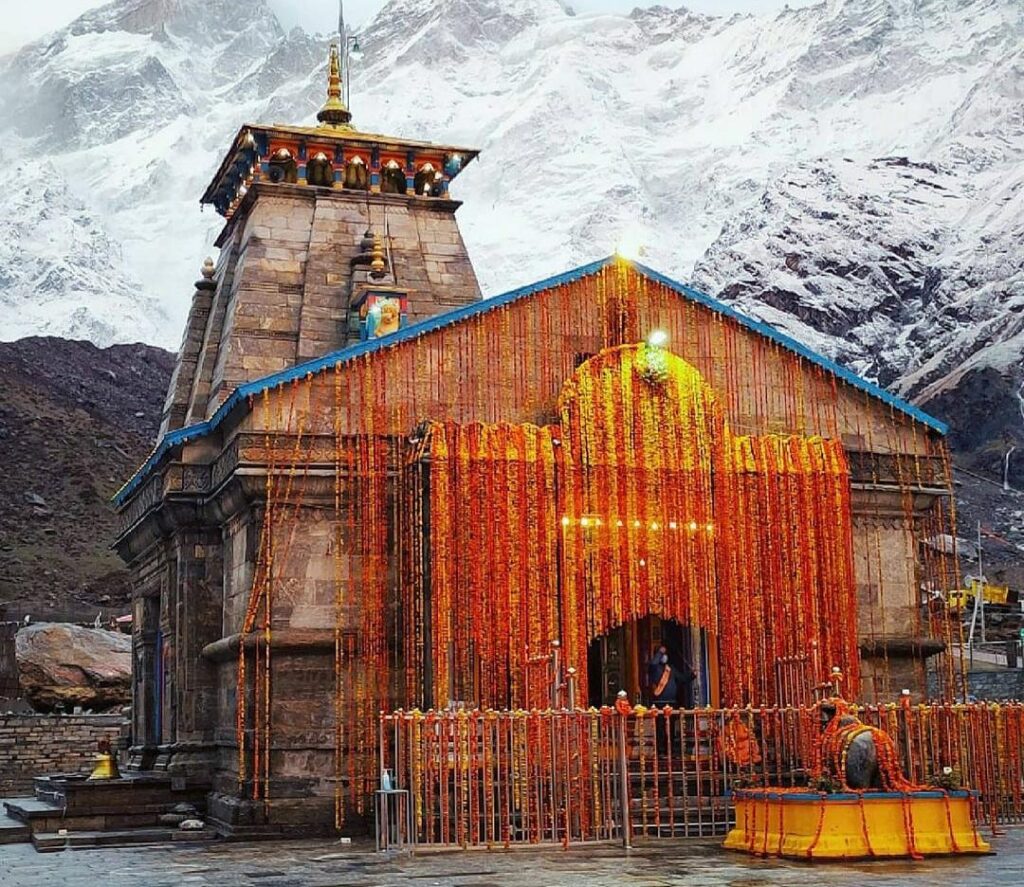
It is an uphill trek for about 16 kilometres from Gaurikund. Pony and Manchan services are available to help the pilgrims reach the structure. The Kedarnath Dham is known to be one of the five spots believed to be where Lord Shiva resides. In the Vedas and Puranas, the word ‘Kedar’ refers to Lord Shiva. Kedarnath, as per holy belief and sacredness, is known to be the land of Lord Shiva, where Lord still resides in the form of Linga. It is also the highest located jyotirling. The temple is an old stone edifice located on the shores of Mandakini River.
It is believed to have been built by the Pandavas and revived by Adi Sankara in 8th century CE. The view of this temple against its snowy backdrop is just resplendent. Kedarnath Dham is definitely one of the most important Dhams in the yatra.
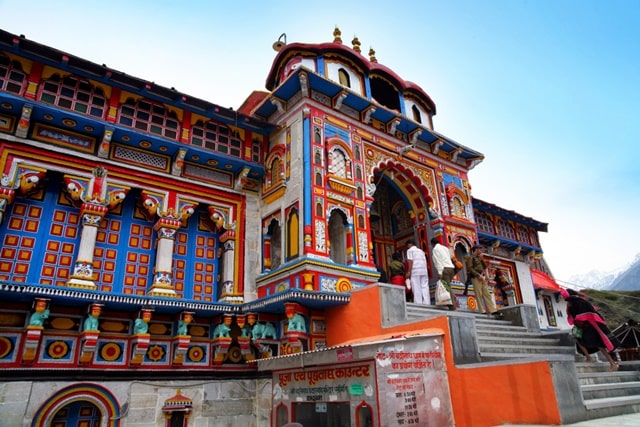
It is dedicated to Lord Vishnu, particularly in Vishnu’s dual form of Nara-Narayana. Badrinath temple was re-established by Adi Shankracharya in the 8th century as part of his mission to enliven Hinduism. The Badrinath Dham is situated on the banks of the Alaknanda river and neighbours many ancient sites which have both historical and religious value. It is no wonder that Badrinath, despite the difficult journey to the place, is one of the most visited shrines in the country.